Monday, September 7, 2009

Health Care Reform Essay by a Physician on Insurance Companies versus the Government

by Epimenides - a physician

"I am no lover of insurance companies. After all, I have sued them, and would do it again tomorrow. But there can be an enormous difference between private insurance corporations, and government. If you examine the issue closely, you will see that corporations are NOT at the root of the problem.

Here's why.

Who "regulates" insurance companies? Who tells them what kind of policies they can and can't write? Who decides that health insurance bought by a company you work for is a deductible business expense, but the same thing bought by you, personally, is not a deductible personal expense? In short, what is it that sets up the rules that favor insurance companies and give them the ability to do what they do? In particular, who gives them rules they LIKE, if they pay the bribes?

Yes, you are right. Government. Government is the absolute, unequivocal, root of the problem with medical care. Rules, regulations, favors, taxation preferences, "licensing" requirements, "capital" requirements, etc... all these things are holy writ from GOVERNMENT, and enforced, at the point of a gun, by GOVERNMENT.

Why can't you and I start a little "mutual" insurance company with our 5-guy family practice? Why can't we buy reinsurance from somebody in Bermuda and provide for our patients based on them paying us $90 a month apiece? Yes, you guessed it - government.

Why can't we, and 3 other groups like us, especially if we are each running our own little mutual company, then cut our costs by doing our imaging at our own imaging center, instead of paying for it to go somewhere else? Ah, yes. Stark laws. Government.

Why can't I enter into a voluntary agreement with a patient, enforceable by a mutually-agreed-upon enforcement company, to prevent him from suing me frivolously? Because one entity claims the monopoly on violence and enforcement - government.

Health care "reform" is a subset of "liberty 'reform'", and without liberty, there will be no real "reform" of anything at all. The antithesis of liberty is government.

And the folks who run it, like it that way."

by Epimenides
physician (verified)
Reblog this post [with Zemanta]

Monday, August 31, 2009

On Sarah Palin’s Death Panel and Dr. Ezekiel Emanuel’s Rationing of Health Care

On Sarah Palin’s Death Panel and Dr. Ezekiel Emanuel’s Rationing of Health Care
- by an anonymous physician (verified)

Well, for the first time ever, I have agreed with Sarah Palin. Boy is my wife gonna be pissed...
I also read Dr. [Ezekiel] Emanuel's entire Lancet article. It is very thoughtful and well organized, but I have two serious concerns that prevent me from accepting it.

First, the article presupposes that some entity (government, presumably) should have the power to apply rationing. For gas and tires in wartime, that’s fine; for health care, or any other aspect of daily life, I can't agree.

Life is not fair. No practicing physician can disagree with that statement. But one of the greatest glories of humanity is the ability of some to overcome difficulty, to figure out a better way, to figure, scheme, plot or even connive to do the undoable.

There are certainly negative consequences when such maneuvers are unrestrained, or even when they are restrained, but this quality, more so than any other, is that which makes humans successful - the most successful - as a species. And it is an innate quality among us.

Even the most disadvantaged among us - the poorest, the disabled, the dumbest (excuse the political insensitivity) - do the best they can every day to try to improve their lot in life. The person who's robbing you at knifepoint may not be doing a particularly good job from a societal viewpoint but the fact is that, from his perspective, at that point in time, robbing you is the best thing he can figure out to do. Otherwise, he would be doing something else.

And it is the freedom to do whatever is the best one can figure out to do that is the hallmark of the unique, and uniquely successful, democracy known as America. To consent to having any entity, and especially the government, apply rationing to the general population is antithetical to the very things that make us human, and American.

On the other hand, resources in life, and in health care in particular, are limited. It is inevitable that when competing for constrained resources, some will succeed and some will fail. Which returns us to the point that life is not fair. But, fair or not, life is much more fulfilling, even in failure, when the opportunity to compete has been offered. To remove that opportunity is a far greater affront than to simply allow one to fail.

If some failure is inevitable, as it is in any competition for constrained resources, there is no more demoralizing event, and no greater evil, than to be disallowed from competing. Thus, the very notion that any entity, no matter how well intentioned, should be given the power to determine our successes and failures for us, without allowing us the opportunity to compete, is itself morally wrong, and is a far greater injustice than that which occurs during the inevitable failures that competition entails.

My other concern with Emanuel's paper is his reliance on vaguely defined "morally relevant principles" - a term he uses throughout the paper, and his desire to adopt not a set of rules for rationing, but a framework of principles. In closing, he states "...society must embrace the challenge of implementing a coherent multiprinciple framework rather than relying on simple principles..."

If ever there was a statement more open to blatant abuse of a system by the politically connected, I have yet to see it. And that, ultimately, is the great threat of government rationing, no matter the way in which it is implemented.

While I stated above that being disallowed from competition is the greatest evil, I was mistaken. Being disallowed from competing, while knowing that others are being given, by virtue of birthright or political connectedness, that for which you are forbidden from competing, is indeed the greatest evil of all.

This is the fundamental injustice, which has led to every great political advancement in human history, from the Greek republic to the Magna Carta to the American Revolution and the Emancipation Proclamation. The notion that America could seriously consider undertaking this kind of morally repressive and morally reprehensible action causes me great fear for our future.

- by a physician acquaintance of mine who wishes to remain anonymous in these politically charged times.

Sarah Palin’s “Death Panel Post” can be found here: http://www.facebook.com/note.php?note_id=113851103434

The Dr. Ezekiel J Emanuel article, “Principles for allocation of scarce medical interventions,” can be found here: http://www.thelancet.com/journals/lancet/article/PIIS0140-6736(09)60137-9/abstract
It is in The Lancet, Volume 373, Issue 9661, Pages 423 - 431, 31 January 2009, and is authored by Govind Persad BS, Alan Wertheimer PhD, and Ezekiel J, Emanuel M.D.

Friday, August 14, 2009

Waiting Lines in Canada and England

"Although Canada has a population smaller than California, 830,000 Canadians are currently waiting to be admitted to a hospital or to get treatment, according to a report last month in Investor’s Business Daily. In England, the waiting list is 1.8 million." - John Mackey

Tuesday, August 11, 2009

EUNICE KENNEDY SHRIVER was a Health Activist

The NIH pays tribute to Eunice Kennedy SHRIVER. - BRH

STATEMENT OF DUANE ALEXANDER, M.D., DIRECTOR EUNICE KENNEDY SHRIVER NATIONAL INSTITUTE OF CHILD HEALTH AND HUMAN DEVELOPMENT, NATIONAL INSTITUTES OF HEALTH, ON THE CONTRIBUTIONS OF EUNICE KENNEDY SHRIVER

U.S. Department of Health and Human Services
NATIONAL INSTITUTES OF HEALTH NIH News
Eunice Kennedy Shriver National Institute of Child Health and
Human Development (NICHD)
For Immediate Release: Tuesday, August 11, 2009

CONTACT: Robert Bock or Marianne Glass Miller, 301-496-5133,

STATEMENT OF DUANE ALEXANDER, M.D., DIRECTOR
EUNICE KENNEDY SHRIVER NATIONAL INSTITUTE OF CHILD HEALTH AND HUMAN DEVELOPMENT
NATIONAL INSTITUTES OF HEALTH
ON THE CONTRIBUTIONS OF EUNICE KENNEDY SHRIVER IN ADVANCING RESEARCH IN CHILD HEALTH, HUMAN DEVELOPMENT, AND INTELLECTUAL DISABILITY

The entire world owes a debt to Eunice Kennedy Shriver for her foresight in calling for an institute at the National Institutes of Health to study the myriad aspects of human development, both as it unfolds without problems and when medical and environmental factors prevent it from doing so.

In 1961, Mrs. Shriver persuaded her brother, then-President Kennedy, to include in his first health message to Congress the proposal for an NIH institute focusing on child health and human development research. After the bill that would establish the new institute was introduced, Mrs. Shriver testified in support of that bill and worked to persuade members of Congress to approve it. The institute that now bears her name, by act of Congress, is a tribute to her vision and commitment.

Research that the Eunice Kennedy Shriver National Institute of Child Health and Human Development has sponsored has led to the near-elimination in the developed world of once common causes of intellectual disability. For example, as recently as the 1980s, Haemophilus influenzae Type B (Hib) meningitis was the leading cause of acquired mental retardation in the United States. A vaccine against the disease, developed in the NICHD's laboratories, has been so effective that today the disease is nearly eliminated. Children with the metabolic disorder phenylketonuria, or PKU, develop severe intellectual disability soon after birth. In the 1960s, a blood test for PKU was developed and children with the disorder were identified at birth. NICHD research documented that a diet low in the amino acid phenylanine spared them from brain damage and allowed normal functioning. Another newborn blood test developed through NICHD research for a disorder caused by failure to produce sufficient amounts of thyroid hormone allowed diagnosis and treatment before any brain damage could occur. Other NICHD research documented the benefits and feasibility of mainstreaming children and adults with intellectual and physical disabilities into schools and communities, a practice that is now routine.

She was also instrumental in creating in 1961 what eventually became the President's Committee for People with Intellectual Disabilities (ACF/HHS), and served on that Committee from 1966-1968 and from 1977-1980.

We owe these and numerous other advances in health, especially for those with disabilities, to Mrs. Shriver's determined efforts. She will be greatly missed.

The NICHD sponsors research on development, before and after birth; maternal, child, and family health; reproductive biology and population issues; and medical rehabilitation. For more information, visit the Institute's Web site at .

The National Institutes of Health (NIH) -- The Nation's Medical Research Agency -- includes 27 Institutes and Centers and is a component of the U.S. Department of Health and Human Services. It is the primary federal agency for conducting and supporting basic, clinical and translational medical research, and it investigates the causes, treatments, and cures for both common and rare diseases. For more information about NIH and its programs, visit .
Reblog this post [with Zemanta]

Katie Couric Reveals Backroom Deal on Health Care Reform

Last night, Katie Couric reported on CBS News that Barack Obama made a backroom deal with the pharmaceutical industry. Dr. Sidney Wolfe, a consumer activist, called it "a very bad deal for the American Public." Dr. Wolfe is an expert on issues of drug safety, health care policy, Food and Drug Administration and hospital oversight, OSHA, medical devices, Medicare and Medicaid and doctor discipline.
Reblog this post [with Zemanta]

Saturday, August 8, 2009

First Line of Any Health Care Reform Bill

The first line of any health care reform bill should be that the president and congress shall not have any better health care than the people. That would ensure that we get a better system instead of a worse one.

Reblog this post [with Zemanta]

Thursday, August 6, 2009

Health Care Reform March on Washington DC, Sept/12/2009

Health Care Reform March on Washington DC, September 12, 2009.
http://912dc.org/agenda/

(tentative - last updated 07/20/09)

We will be putting together the details of the week’s events soon. For now, this is our tentative agenda for 9-10 through 9-12. This is the most up to date, and accurate place for information on the web.

Thursday, 9-10

9:00am to 12:00pm Liberty Summit (REGISTER NOW!)
1:00pm: Press Conference on Capitol Hill (REGISTER NOW!)
1:30pm to 5:30pm: Grassroots lobbying visits on Capitol Hill
Evening: Free time to tour Washington

Friday, 9-11

Morning: September 11th Never Forget Memorial
1:00pm Doctors Rally Against Socialized Medicine (REGISTER NOW!)
2:00pm to 5:30pm Grassroots lobbying visits on Capitol Hill
4:00pm Bureaucrash Happy Hour at Bullfeathers

Saturday, 9-12
8:00am Set up for stages and volunteers; crowd gathers at Freedom Plaza
10:00am March on the Capitol Begins down Pennsylvania Ave. (See Map)
1:00pm March ends and Protest Begins at West Front of the U.S. Capitol

Click here to register for the March on Washington!
http://912dc.org/agenda/
Reblog this post [with Zemanta]

Wednesday, August 5, 2009

Health Care Reform Quote

"Why would you guys try to stuff a health care bill down our throats in three to four weeks when the president took six months to pick what he wanted for a dog for his kids?" - http://www.youtube.com/watch?v=3cr1WXU9oU4
Reblog this post [with Zemanta]

Health Care Spending 2007

Total spending was $2.4 TRILLION in 2007, or $7900 per person1. Total health care spending represented 17 percent of the gross domestic product (GDP).

Tuesday, August 4, 2009

Principles of Health Care Reform 080409

Principles of Health Care Reform 080409
This is a living document. I started it and I change it as I get suggestions and feedback from others.

Principles of Health Care Reform


1. The United States shall have the best health care in the world.
2. Health care reform shall transfer power to PATIENTS, doctors, nurses, and allied health care professionals, and away from government and corporations.
3. The first question from a doctor's office or hospital will be "How can I help you?" not "What is your insurance?"
4. Congress, the executive branch, and the judicial branch, shall have the same health care as the people - no better - no exceptions.
5. Health care reform shall be simple.
6. Patients shall be the most powerful people in the health care system.
7. Patients shall be in charge of how to spend their money on health care.
8. Patients shall be told the price of everything in advance, except during emergencies, or they don't have to pay.
9. Patients shall be able to get their medical records instantly and easily and shall control the release of such information.
10. Health care shall be based on science.
11. Health care shall encourage prevention.
12. Patients shall have access to more health care information than they have now.
13. Patients shall be able to go to any doctor and to any hospital.
14. Tort reform.

These are the principles of health care reform that will save tens of thousands of lives. This health care reform will be completely portable. This health care reform will accelerate innovation because patients, doctors, and nurses will be able to move to what actually works. Cost will come down because for the first time everyone will know what the costs are.

TakingOverHealthCareReform.org
TakingOverHealthCareReform.blogspot.com
Facebook profile: http://profile.to/healthcarereform
Twitter.com/takingoverHCR

Bradley R. Hennenfent, M.D.
patient, physician, and economist
retired due to injury and illness
Facebook.com/hennenfent
Reblog this post [with Zemanta]

Monday, August 3, 2009

First, Do No Harm

"Cut health care costs without doing harm, By Vern Buchanan: One of the guiding principles taught in medical school comes from a Latin phrase that means, 'First, do no harm.' It's a maxim that Congress would be wise to follow as it works toward passage of sweeping health care legislation." - From his newsletter.
Reblog this post [with Zemanta]

Friday, July 31, 2009

I want President Obama to go on Medicare

I hate to suggest it, but I believe President Obama is naive about government health care. Shouldn't we put Barack, Michele, Sasha, and Malea on Medicare or Medicaid? What will he do when he needs a life saving medication for one of his own family? And finds out that Medicare can deny it, and that “This is true regardless as to medical necessity.” - MAXIMUS Federal Services Medicare Part D QIC Reconsideration Project.

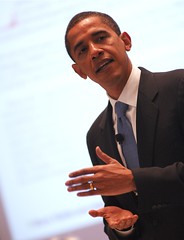
Sen. Barack ObamaImage by SEIU International via Flickr

Reblog this post [with Zemanta]

A Canandian on Canadian Health Care

This is a message that got to me from a Canadian about the Canadian Health Care System.

July 30 at 9:00pm

"...our healthcare was once something i could say i was proud of. the family doctors used to be plentiful. now they've shut down their practices and don't take any more patients. we're forced to use walk-in clinics. there is now waiting lists to find family doctors.
the walk in clinics have no personal feeling to them. the care, in my opinion, is severely lacking. these doctors don't even have bedside manners. it's scary to me.
i choose not to go more often than not. it's not worth the wait, or the hassle or the impersonal care i receive."

Reblog this post [with Zemanta]

Thursday, July 30, 2009

AMERICANS SPENT $33.9 BILLION OUT-OF-POCKET ON COMPLEMENTARY AND ALTERNATIVE MEDICINE

So far no health care reform plan I have seen addresses herbal medications or alternative medicine. - BRH

AMERICANS SPENT $33.9 BILLION OUT-OF-POCKET ON COMPLEMENTARY AND ALTERNATIVE MEDICINE

U.S. Department of Health and Human Services
NATIONAL INSTITUTES OF HEALTH NIH News
National Center for Complementary and Alternative Medicine (NCCAM)
Embargoed for Release: Thursday, July 30, 2009, Noon EDT

CONTACT: NCCAM Press Office, 301-496-7790,

AMERICANS SPENT $33.9 BILLION OUT-OF-POCKET ON COMPLEMENTARY AND ALTERNATIVE MEDICINE

Americans spent $33.9 billion out-of-pocket on complementary and alternative medicine (CAM) over the previous 12 months, according to a 2007 government survey[1].

CAM is a group of diverse medical and health care systems, practices, and products such as herbal supplements, meditation, chiropractic, and acupuncture that are not generally considered to be part of conventional medicine. CAM accounts for approximately 1.5 percent of total health care expenditures ($2.2 trillion [2]) and 11.2 percent of total out-of-pocket expenditures (conventional out-of-pocket: $286.6 billion2 and CAM out-of-pocket: $33.9 billion1) on health care in the United States.

Approximately 38 percent of adults use some form of CAM for health and wellness or to treat a variety of diseases and conditions, according to data from the 2007 National Health Interview Survey (NHIS) [3]. The CAM component of the NHIS was developed by the National Institutes of Health's (NIH) National Center for Complementary and Alternative Medicine (NCCAM) and the National Center for Health Statistics (NCHS) part of the Centers for Disease Control and Prevention. The data provide estimates of the cost of CAM use, the frequency of visits made to CAM practitioners, and frequency of purchases of self-care CAM therapies.

"With so many Americans using and spending money on CAM therapies, it is extremely important to know whether the products and practices they use are safe and effective," said Josephine P. Briggs, M.D., director of NCCAM. "This underscores the importance of conducting rigorous research and providing evidence-based information on CAM so that health care providers and the public can make well-informed decisions."

Of the $33.9 billion spent on CAM out-of-pocket, an estimated $22.0 billion was spent on self-care costs -- CAM products, classes, and materials -- with the majority going to the purchase of nonvitamin, nonmineral, natural products ($14.8 billion) such as fish oil, glucosamine and Echinacea. U.S. adults also spent approximately $11.9 billion on an estimated 354.2 million visits to CAM practitioners such as acupuncturists, chiropractors, massage therapists, etc.

To put these figures in context, the $14.8 billion spent on nonvitamin, nonmineral, natural products is equivalent to approximately one-third of total out-of-pocket spending on prescription drugs, and the $11.9 billion spent on CAM practitioner visits is equivalent to approximately one-quarter of total out-of-pocket spending on physician visits.

"These data indicate that the U.S. public makes millions of visits to CAM providers each year and spends billions of dollars for these services, as well as for self-care forms of CAM," said Richard L. Nahin, Ph.D., MPH, acting director of NCCAM's Division of Extramural Research and lead author of the cost of complementary and alternative medicine analysis. "While these expenditures represent just a small fraction of total health care spending in the United States, they constitute a substantial part of out-of-pocket health care costs."

Inclusion and development of the 2007 NHIS supplement was supported, in part, by seven NIH components: NCCAM; National Heart, Lung, and Blood Institute; National Institute of Allergy and Infectious Diseases; National Institute of Mental Health; the Eunice Kennedy Shriver National Institute of Child Health and Human Development; Office of Dietary Supplements; and Office of Behavioral and Social Sciences Research.

The National Center for Health Statistics (NCHS) is a component of the Centers for Disease Control and Prevention (CDC). NCHS's mission is to provide statistical information that will guide actions and policies to improve the health of the American people. The CDC protects people's health and safety by preventing and controlling diseases and injuries; enhances health decisions by providing credible information on critical health issues; and promotes healthy living through strong partnerships with local, national, and international organizations. The complete data set can be found under "Questionnaires, Datasets, and Documentation" at .

The National Center for Complementary and Alternative Medicine's (NCCAM) mission is to explore complementary and alternative medical practices in the context of rigorous science, train CAM researchers, and disseminate authoritative information to the public and professionals. For additional information, call NCCAM's Clearinghouse toll free at 1-888-644-6226, or visit the NCCAM Web site at .

The National Institutes of Health (NIH) -- The Nation's Medical Research Agency -- includes 27 Institutes and Centers and is a component of the U.S. Department of Health and Human Services. It is the primary federal agency for conducting and supporting basic, clinical and translational medical research, and it investigates the causes, treatments, and cures for both common and rare diseases. For more information about NIH and its programs, visit .
------------------------------------
1 Nahin, RL, Barnes PM, Stussman BJ, and Bloom B. Costs of Complementary and Alternative Medicine (CAM) and Frequency of Visits to CAM Practitioners: United States, 2007. National health statistics reports; no 18. Hyattsville, MD: National Center for Health Statistics. 2009.

2 Office of the Actuary, Centers for Medicare and Medicaid Services, National Health Expenditure Data for 2007. U.S. Department of Health and Human Services. Available at: thAccountsHistorical.asp#TopOfPage. Accessed June 25, 2009.

3 Barnes PM, Bloom B, Nahin RL. Complementary and Alternative Medicine Use Among Adults and Children: United States, 2007. National health statistics reports; no 12. Hyattsville, MD: National Center for Health Statistics. 2008.

MEDIA NOTE: For the full report and downloadable graphics visit - .

##

This NIH News Release is available online at:
.


Reblog this post [with Zemanta]

Sunday, July 26, 2009

Article About Health Insurance Corporations

Health Insurance companies:

http://www.prwatch.org/node/8441

Health care reform video asking if congress has read the bill

Health care reform video asking if congress has read the bill:

http://www.youtube.com/watch?v=-p2vOZJZiLE&eurl=http%3A%2F%2Ftownhall.com%2Fblog%2F&feature=player_embedded

Saturday, July 25, 2009

Principles of Health Care Reform 072509

This is a living document. I started it and I change it as I get suggestions and feedback from others.

Principles of Health Care Reform


1. The United States shall have the best health care in the world.
2. Health care reform shall transfer power to PATIENTS, doctors, nurses, and allied health care professionals, and away from government and corporations.
3. The first question from a doctor's office or hospital will be "How can I help you?" not "What is your insurance?"
4. Congress, the executive branch, and the judicial branch, shall have the same health care as the people - no better - no exceptions.
5. Health care reform shall be simple.
6. Patients shall be the most powerful people in the health care system.
7. Patients shall be in charge of how to spend their money on health care.
8. Patients shall be told the price of everything in advance, except during emergencies, or they don't have to pay.
9. Patients shall be able to get their medical records instantly and easily and shall control the release of such information.
10. Health care shall be based on science.
11. Health care shall encourage prevention.
12. Patients shall have access to more health care information than they have now.
13. Patients shall be able to go to any doctor and to any hospital.
14. Tort reform.

These are the principles of health care reform that will save tens of thousands of lives.

TakingOverHealthCareReform.org
TakingOverHealthCareReform.blogspot.com
Facebook profile: http://profile.to/healthcarereform
Twitter.com/takingoverHCR

Bradley R. Hennenfent, M.D.
patient, physician, and economist
retired due to injury and illness
Facebook.com/hennenfent
Reblog this post [with Zemanta]

Petition that Congress shall have Same Health Care as the People

Petition that Congress shall have Same Health Care as the People

http://www.ipetitions.com/petition/healthcareforcongress/

Friday, July 24, 2009

Principles of Health Care Reform 072409

Principles of Health Care Reform 072409

1. The United States shall have the best health care in the world.
2. Health care reform shall transfer power to PATIENTS, doctors, nurses, and allied health care professionals, and away from government and corporations.
3. Health care reform shall be simple.
4. Patients shall be the most powerful people in the health care system.
5. Patients shall be in charge of spending the money; third parties shall not dominate treatment decisions.
6. Patients shall be told the price of everything in advance or they don't have to pay.
7. Patients shall be able to get their medical records instantly and easily.
8. Health care shall be based on science.
9. Health care shall encourage prevention.
10. The first question from a doctor's office or hospital will be "How can I help you?" not "What is your insurance?"
11. Patients shall access to more information than they can get now.

These are the principles of health care reform that will save tens of thousands of lives.

TakingOverHealthCareReform.org
TakingOverHealthCareReform.blogspot.com
Facebook profile: http://profile.to/healthcarereform
Twitter.com/takingoverHCR

Bradley R. Hennenfent, M.D.
patient, physician, and economist
retired due to injury and illness

Facebook, Inc.Image via Wikipedia


Facebook.com/hennenfent
Reblog this post [with Zemanta]

Thursday, July 23, 2009

From Email on Health Care Reform

I don't want our system ruined for us, our children and grandchildren.
I have a "friend" who has never had a job, always lived off his parents' considerable fortune and now lives off his wife's hard work, tell me that "I think this country needs a little more socialism". My thought was.....yes socialism is a great deal for those who DON'T Work.
There is a great book that you really need to read, PJ O'Rourke, "Eat the rich". It sums up my beliefs to the letter! Funny but very educational.

I've seen your interesting comments on health care. My take on it is..... I don't want to be at the mercy of a huge government bureaucracy with crappy "free" health care, and higher taxes. The taxes on middle-upper income people are so high now there is no incentive to work anymore. Every week I turn down consulting work, since any added income just goes to more taxes. (I already pay right at 50%) so it isn't worth the extra work for "half pay". Very discouraging. I don't believe any socialist government has ever succeeded in the history of the world. I just isn't human nature to work hard for no reward. If every student got a C, regardless of the effort, who would try for an A? And what about all those who should earn an F?

I think the thing that worries me the most is that Obama is trying to push through a half-baked health care plan, just like his rush to push through his trillion dollar stimulus/tax plan. Both are disasters. Rather than try to provide a safety net for the 15-20% of Americans without good health coverage, he wants to expand the role of government (unconstitutionally)to give his supporters more power, the ability to control more of our income, and to give government total control over our jobs, and lives. Totalitarianism never works......Socialism never works.....Communism never works.....why can't these people get it?

I wish you luck. Unfortunately, Government and politics is about POWER and Money. The special interests, congress and career bureaucrats, want to create a huge organization that will give them more power and money over the population who actually works and pays all the bills. The 40% of the population who pay no income taxes don't care about cost, because they don't pay for HC anyway. But they demand equal access. Much like teenage children who demand the latest cell-phone and a laptop computer. They think they should get anything they want for free. Look at England and Canada. The % of every dollar that goes to administration of health care has gone UP since government run HC began, and the quality and control of HC has moved away from patients and physicians as quality has deteriorated.
I pay too much in taxes. It has gotten to the point where it is no longer worth the trouble to work hard. If you don't get to enjoy what you earn, then why bother killing yourself.........

I'm glad you are working on it. I don't know how much good it will do. I feel unfortunately that most individuals buy-in to the government propaganda program, and are willing to believe anything CNN, ABC, CBS, NBC, etc. feeds their little brains.............I guess I am just getting old and bitter...
Still working and not able to set anything aside for retirement. Tired of paying for cell-phones for people on welfare, giving inmates in prison air-conditioning, and cable TV when my kids school doesn't even enough room for each kid to have a locker....

Reblog this post [with Zemanta]

Patient Power by Goodman & Musgrave

An entire book on health care reform, written by two economists, is available for free download in pdf format at:

Profile of Adam SmithImage via Wikipedia

http://www.ncpa.org/pdfs/sp_pp_PatientPowerComplete.pdf

10 Surprising Facts about American Health Care

10 Surprising Facts about American Health Care

Brief Analysis | Health

Read Article as PDF
Get Adobe Reader


No. 649

Tuesday, March 24, 2009

by Scott Atlas

Medical care in the United States is derided as miserable compared to health care systems in the rest of the developed world. Economists, government officials, insurers and academics alike are beating the drum for a far larger government rôle in health care. Much of the public assumes their arguments are sound because the calls for change are so ubiquitous and the topic so complex. However, before turning to government as the solution, some unheralded facts about America's health care system should be considered.

Fact No. 1: Americans have better survival rates than Europeans for common cancers.[1] Breast cancer mortality is 52 percent higher in Germany than in the United States, and 88 percent higher in the United Kingdom. Prostate cancer mortality is 604 percent higher in the U.K. and 457 percent higher in Norway. The mortality rate for colorectal cancer among British men and women is about 40 percent higher.

Fact No. 2: Americans have lower cancer mortality rates than Canadians.[2] Breast cancer mortality is 9 percent higher, prostate cancer is 184 percent higher and colon cancer mortality among men is about 10 percent higher than in the United States.

Fact No. 3: Americans have better access to treatment for chronic diseases than patients in other developed countries.[3] Some 56 percent of Americans who could benefit are taking statins, which reduce cholesterol and protect against heart disease. By comparison, of those patients who could benefit from these drugs, only 36 percent of the Dutch, 29 percent of the Swiss, 26 percent of Germans, 23 percent of Britons and 17 percent of Italians receive them.

Fact No. 4: Americans have better access to preventive cancer screening than Canadians.[4] Take the proportion of the appropriate-age population groups who have received recommended tests for breast, cervical, prostate and colon cancer:

  • Nine of 10 middle-aged American women (89 percent) have had a mammogram, compared to less than three-fourths of Canadians (72 percent).
  • Nearly all American women (96 percent) have had a pap smear, compared to less than 90 percent of Canadians.
  • More than half of American men (54 percent) have had a PSA test, compared to less than 1 in 6 Canadians (16 percent).
  • Nearly one-third of Americans (30 percent) have had a colonoscopy, compared with less than 1 in 20 Canadians (5 percent).

Fact No. 5: Lower income Americans are in better health than comparable Canadians. Twice as many American seniors with below-median incomes self-report "excellent" health compared to Canadian seniors (11.7 percent versus 5.8 percent). Conversely, white Canadian young adults with below-median incomes are 20 percent more likely than lower income Americans to describe their health as "fair or poor."[5]

Fact No. 6: Americans spend less time waiting for care than patients in Canada and the U.K. Canadian and British patients wait about twice as long - sometimes more than a year - to see a specialist, to have elective surgery like hip replacements or to get radiation treatment for cancer.[6] All told, 827,429 people are waiting for some type of procedure in Canada.[7] In England, nearly 1.8 million people are waiting for a hospital admission or outpatient treatment.[8]

Fact No. 7: People in countries with more government control of health care are highly dissatisfied and believe reform is needed. More than 70 percent of German, Canadian, Australian, New Zealand and British adults say their health system needs either "fundamental change" or "complete rebuilding."[9]

Fact No. 8: Americans are more satisfied with the care they receive than Canadians. When asked about their own health care instead of the "health care system," more than half of Americans (51.3 percent) are very satisfied with their health care services, compared to only 41.5 percent of Canadians; a lower proportion of Americans are dissatisfied (6.8 percent) than Canadians (8.5 percent).[10]

Fact No. 9: Americans have much better access to important new technologies like medical imaging than patients in Canada or the U.K. Maligned as a waste by economists and policymakers naïve to actual medical practice, an overwhelming majority of leading American physicians identified computerized tomography (CT) and magnetic resonance imaging (MRI) as the most important medical innovations for improving patient care during the previous decade.[11] [See the table.] The United States has 34 CT scanners per million Americans, compared to 12 in Canada and eight in Britain. The United States has nearly 27 MRI machines per million compared to about 6 per million in Canada and Britain.[12]

Fact No. 10: Americans are responsible for the vast majority of all health care innovations.[13] The top five U.S. hospitals conduct more clinical trials than all the hospitals in any other single developed country.[14] Since the mid-1970s, the Nobel Prize in medicine or physiology has gone to American residents more often than recipients from all other countries combined.[15] In only five of the past 34 years did a scientist living in America not win or share in the prize. Most important recent medical innovations were developed in the United States.[16] [See the table.]

Conclusion. Despite serious challenges, such as escalating costs and the uninsured, the U.S. health care system compares favorably to those in other developed countries.

Scott W. Atlas, M.D., is a senior fellow at the Hoover Institution and a professor at the Stanford University Medical Center. A version of this article appeared previously in the February 18, 2009, Washington Times.


[1] Concord Working Group, "Cancer survival in five continents: a worldwide population-based study,.S. abe at responsible for theountries, in s chnologies, " Lancet Oncology, Vol. 9, No. 8, August 2008, pages 730 - 756; Arduino Verdecchia et al., "Recent Cancer Survival in Europe: A 2000-02 Period Analysis of EUROCARE-4 Data," Lancet Oncology, Vol. 8, No. 9, September 2007, pages 784 - 796.

[2] U.S. Cancer Statistics, National Program of Cancer Registries, U.S. Centers for Disease Control; Canadian Cancer Society/National Cancer Institute of Canada; also see June O'Neill and Dave M. O'Neill, "Health Status, Health Care and Inequality: Canada vs. the U.S.," National Bureau of Economic Research, Working Paper No. 13429, September 2007. Available at http://www.nber.org/papers/w13429.

[3] Oliver Schoffski (University of Erlangen-Nuremberg), "Diffusion of Medicines in Europe," European Federation of Pharmaceutical Industries and Associations, 2002. Available at http://www.amchampc.org/showFile.asp?FID=126. See also Michael Tanner, "The Grass is Not Always Greener: A Look at National Health Care Systems around the World," Cato Institute, Policy Analysis No. 613, March 18, 2008. Available at http://www.cato.org/pub_display.php?pub_id=9272.

[4] June O'Neill and Dave M. O'Neill, "Health Status, Health Care and Inequality: Canada vs. the U.S."

[5] Ibid.

[6] Nadeem Esmail, Michael A. Walker with Margaret Bank, "Waiting Your Turn, (17th edition) Hospital Waiting Lists In Canada," Fraser Institute, Critical Issues Bulletin 2007, Studies in Health Care Policy, August 2008; Nadeem Esmail and Dominika Wrona "Medical Technology in Canada," Fraser Institute, August 21, 2008 ; Sharon Willcox et al., "Measuring and Reducing Waiting Times: A Cross-National Comparison Of Strategies," Health Affairs, Vol. 26, No. 4, July/August 2007, pages 1,078-87; June O'Neill and Dave M. O'Neill, "Health Status, Health Care and Inequality: Canada vs. the U.S."; M.V. Williams et al., "Radiotherapy Dose Fractionation, Access and Waiting Times in the Countries of the U.K.. in 2005," Royal College of Radiologists, Clinical Oncology, Vol. 19, No. 5, June 2007, pages 273-286.

[7] Nadeem Esmail and Michael A. Walker with Margaret Bank, "Waiting Your Turn 17th Edition: Hospital Waiting Lists In Canada 2007."

[8] "Hospital Waiting Times and List Statistics," Department of Health, England. Available at http://www.dh.gov.uk/en/Publicationsandstatistics/Statistics/Performancedataandstatistics/HospitalWaitingTimesandListStatistics/index.htm?IdcService=GET_FILE&dID=186979&Rendition=Web.

[9] Cathy Schoen et al., "Toward Higher-Performance Health Systems: Adults' Health Care Experiences In Seven Countries, 2007," Health Affairs, Web Exclusive, Vol. 26, No. 6, October 31, 2007, pages w717-w734. Available at http://content.healthaffairs.org/cgi/reprint/26/6/w717.

[10] June O'Neill and Dave M. O'Neill, "Health Status, Health Care and Inequality: Canada vs. the U.S."

[11] Victor R. Fuchs and Harold C. Sox Jr., "Physicians' Views of the Relative Importance of 30 Medical Innovations," Health Affairs, Vol. 20, No. 5, September /October 2001, pages 30-42. Available at http://content.healthaffairs.org/cgi/reprint/20/5/30.pdf.

[12] OECD Health Data 2008, Organization for Economic Cooperation and Development. Available at http://www.oecd.org/document/30/0,3343,en_2649_34631_12968734_1_1_1_37407,00.html.

[13] "The U.S. Health Care System as an Engine of Innovation," Economic Report of the President (Washington, D.C.: Government Printing Office, 2004), 108th Congress, 2nd Session H. Doc. 108-145, February 2004, Chapter 10, pages 190-193, available at http://www.gpoaccess.gov/usbudget/fy05/pdf/2004_erp.pdf; Tyler Cowen, New York Times, Oct. 5, 2006; Tom Coburn, Joseph Antos and Grace-Marie Turner, "Competition: A Prescription for Health Care Transformation," Heritage Foundation, Lecture No. 1030, April 2007; Thomas Boehm, "How can we explain the American dominance in biomedical research and development?" Journal of Medical Marketing, Vol. 5, No. 2, 2005, pages 158-66, U.S. Department of Health and Human Services, July 2002. Available at http://fraser.stlouisfed.org/publications/erp/page/8649/download/47455/8649_ERP.pdf .

[14] Nicholas D. Kristof, "Franklin Delano Obama," New York Times, February 28, 2009. Available at http://www.nytimes.com/2009/03/01/opinion/01Kristof.html.

[15] The Nobel Prize Internet Archive. Available at http://almaz.com/nobel/medicine/medicine.html.

[16] "The U.S. Health Care System as an Engine of Innovation," 2004 Economic Report of the President.

We depend on the financial support of individuals. We need your help to continue our work. Join the NCPA today!

Endoscopic image of colon cancer identified in...Image via Wikipedia

Reblog this post [with Zemanta]

Wednesday, July 22, 2009

10 Surprising Facts about American Health Care - Brief Analysis #649

10 Surprising Facts about American Health Care - Brief Analysis #649

The above article is a must read essay on health care.

Shared via AddThis

Government Healthcare Stopped ...For Now

Dick Durban (D-IL) says that Senate won't be able to vote on the government-run healthcare plan until after August recess. This is a big victory for rational healthcare reform, but Nancy Pelosi is still trying to get healthcare through House before August.

Continue to put the pressure on these 7 Blue Dog Democrats to stop it.

The most important of the anti-government-run healthcare Democrats is Mike Ross. His phone lines in DC are flooded every day, and there is no space on his answering machines, so shift your focus to calling his local offices at:
870 881-0681, 501 520-5892, and 870 536-3376

and telling him:
-We don't want the government running healthcare.
-We don't want to add billions of dollars to the deficit. (The CBO says this bill adds $200 billion.)
-We want healthcare reform to control costs. (The CBO says this bill raises costs.)

US Senator Orrin Hatch

US Senator Orrin Hatch
July 22nd, 2009 Media Contact(s): Mark Eddington and Andrea Saul, 202-224-5251
Printable Version
HATCH STATEMENT ON NEED FOR FINANCIALLY RESPONSIBLE AND TRULY BIPARTISAN HEALTHCARE REFORM

WASHINGTON – Sen. Orrin Hatch (R-Utah), member and former chairman of the Health, Education, Labor, and Pensions (HELP) Committee, today made the following statement on the need for financially responsible and truly bipartisan healthcare reform:

“For years, I have worked in the United States Senate on behalf of Utahns fighting for policies that best promote the interest of families in Utah and across the nation. Bipartisanship has been one of my hallmarks, especially when it comes to health care laws. I have found ways to work with very liberal members in both the House and Senate when partisanship has been set aside and compromise has been forged for the good of the American people.

“In today’s health care debates, everyone realizes that ensuring access to affordable, quality and portable health care for every American is not a Republican or Democrat issue – it is an American issue. Our nation expects us to solve this challenge in an open, honest and bipartisan manner. I have spent the past several months working with members on both sides of the aisle to ensure that any effort to reform our health care system not only makes quality health care more affordable for our families but is also fiscally responsible to protect future generations.

“We as a nation are facing the worst financial crisis since the Great depression. Our national debt is on the path to tripling within the next decade, the deficit this year alone will approach $2 trillion, the unemployment rate is almost in double digits, and states across the nation are facing more than $200 billion in deficits.

“I am of the strong mind that we need to urgently reform our health care system while recognizing the economic realties of our time. Simply passing a bill entitled ‘Health Care Reform’ that spends another trillion plus dollar is not the answer. Instead, we should focus on reforming the current market for every American to ensure that insurance companies no longer discriminate against sicker Americans and every American has an opportunity to keep and get the coverage of their choice. We have to address the tremendous waste, fraud and abuse in our system that costs billions of dollars every year. Most importantly, we need to target our hard-earned tax-payer dollars to help Americans who truly cannot afford insurance and start on a pathway to cover all Americans.

“The head of the Congressional Budget Office told us in no uncertain terms that the health care policies being pursued by this Congress will only worsen our deficit, create more joblessness, expand unsustainable entitlement programs that are driving our states bankrupt and start us down a path of a Washington-driven health care system. In my conversations with Utahns and Americans across the country, it is clear that people are frustrated with the ill-conceived and costly stimulus exercise and do not believe we should take the same rushed approach to health care.

“For months, I have been participating in bipartisan discussions with other members of the Senate Finance Committee in an effort to craft a compromise bill which that could be signed into law and help American families. During our discussions, I grew increasingly concerned that the President and congressional leaders have, to date, been unwilling to roll up their sleeves and agree to protect a bipartisan health care compromise from being gutted on the Senate floor and in a conference with the House. I praise Sen. Baucus and my other colleagues in the group – Democrat Sens. Conrad and Bingaman and Republican Sens. Grassley, Snowe, and Enzi – for trying to come to a bipartisan consensus. However, it has become increasingly clear to me that Sen. Baucus has not been given the flexibility necessary to construct a realistic healthcare reform bill that can achieve true bipartisan support.

“I have great faith in my colleagues, and I will continue to work on solving our nation’s health care problems in a way that best protects the health and financial well-being of families and small businesses across the nation. My door will remain open and I continue to sincerely hope that we can do this the right way for every American out there. We have a real need for reform and an opportunity on behalf of the American people to get it done. If we are responsible in our policy approaches, we can get meaningful reform done this year.”


###
Reblog this post [with Zemanta]

Health Care Reform Numbers

The US population in 2006 was 298,362,973 according to the US Census Bureau. Total Expenditures on health care were 2,106,000,000,000 according to the Centers for Medicaid and Medicare, which means health care in 2006 cost $7,058 per person. I am looking for better numbers ... do others confirm these numbers?
Reblog this post [with Zemanta]

2006 National Health Expenditures

2006 National Health Expenditures
Private Expenditures
Out of Pocket 257,000,000,000
Insurance 723,000,000,000
Total 1 1,135,000,000,000 *doesn’t add up, over by 155,000,000,000
Total 1 includes other private
expenditures not show
separately.
Public Expenditures
Federal 705,000,000,000
State & Local 265,000,000,000
Total 2 970,000,000,000
Health Services & Supplies
Hospital Care 648,000,000,000
Physicians & Clinical 448,000,000,000
Prescription Drugs 217,000,000,000
Nursing Home Care 125,000,000,000
Total 3 1,966,000,000,000 *doesn't add up, over by 528,000,000,000
Total 3 includes other objects
of expenditure not shown.
Total 1 1,135,000,000,000
Total 2 1,135,000,000,000
Total 3 1,966,000,000,000
Grand Total 2,106,000,000,000 *doesn’t add up, under by 2,130,000,000,000
Grand Total includes medical
research and medical facilities
not shown separately.
US Centers for Medicare & Medicaid Services, Office of the Actuary, National Health Statistics Group.
Reblog this post [with Zemanta]

Letters to Politicians

Here is the basic letter I am writing to senators and representatives and other politicians. Please feel free to use it as your own:

Dear Senator XXXXX,
I am your constituent and I am a swing vote. I believe that Health care reform should transfer power to PATIENTS, doctors, nurses, and allied health care professionals, and away from government and corporations. I believe that we should have the best health care in the world. I believe that health care reform should be simple. Patients should be the most powerful people in the health care system; it's their life at stake; therefore, patients should be in charge of spending the money. And patients should be told the price of everything in advance or they don't have to pay.
Reblog this post [with Zemanta]

Tuesday, July 21, 2009

How You Can Get Active Against the Healthcare Takeover

Congress is trying to shove down a healthcare takeover bill by the end of the month, and yet each of their proposed bills has been shown by the Congressional Budget Office to raise the budget deficit and not to reduce healthcare costs. And that's just the start. The bills they are proposing will limit consumer choice and result in a loss of insurance for many employees. The question is, what can we do about it?

Thankfully, the Congressional Blue Dog Caucus has a number of members who are dissatisfied with the reckless bills on the table and lack of debate. In fact, Rep. Mike Ross says that he and 9 others are committed to voting against the bill and keeping it off the House floor. There are a lot of corporate interests trying to change their votes, including Wal Mart, because it will put their competitors and small businesses out of business.

With that said, we must ratchet up the pressure on Congress as well to stop this bill. Most importantly, remind these 7 Representatives of their promise not to support a bill that creates a larger deficit or that doesn't let consumers keep their current coverage:

Mike Ross (AR) - 202 225-3772
Bart Stupak (MI) - 202 225-4735
Baron Hill (IN) - 202 225-5315
Charlie Melancon (LA) - 202 225-4031
Zack Space (OH) - 202 225-6265
Bart Gordon (TN) - 202 225-4231
Jim Matherson (UT) - 202 225-3011

Other things you can do to help are contact these 10 Senate Democrats, this long list of 30 Representatives, if you're really feeling like an activist, and join the following anti-healthcare takeover groups:
Stop the Healthcare Takeover (Facebook)
Congressional Action Network (email)
ActionAlert (Twitter)

National Debt

These numbers are from a website called Debt Angel. I am trying to track down the sources and double check the numbers as I continue to examine health care reform plans and statistics that are important for health care reform:

"Here are the numbers for the real national debt for 2008 and how they break down, and how you figure into this debt:
  1. $36,300,000,000,000 Medicare
  2. $ 6,600,000,000,000 Social Security
  3. $13,500,000,000,000 Publicy-held debt, civilian and military retirement benefits, and other misc.

Total=$56,400,000,000,000 $184,000 for each person! or $483,000 for each household!*"


Reblog this post [with Zemanta]

Bobby Jindal

Bobby Jindal has written an article about health care reform for the Wall Street Journal.

I have extracted his general principles.

•Consumer choice guided by transparency.

•Aligned consumer interests.

•Medical lawsuit reform.

•Insurance reform.

•Pooling for small businesses, the self-employed, and others.

•Pay for performance, not activity.

•Refundable tax credits.

http://online.wsj.com/article/SB10001424052970203946904574300482236378974.html?mod=googlenews_wsj
Reblog this post [with Zemanta]

Dear Blogger

Dear Blogger, I received the message below. I am not doing a spam site, unless by accident. I did a program called addthis on two essays. Perhaps you are not supposed to use that? I thought it was a Blogger program but maybe it is a third party program that appears on Blogger sites. In any event, please let me know what to fix and I will fix it. And please let me know if it is okay to use the program AddThis, which I just Googled and found at http://www.addthis.com/. It does look like it is a blogger program to me as it seems to interact seamlessly with Blogger. So I added it to my blog. Let me know if you want AddThis taken down and I will do it.
My best, Bradley R. Hennenfent


Your blog at: http://takingoverhealthcarereform.blogspot.com/ has been identified as a potential spam blog. To correct this, please request a review by filling out the form at http://www.blogger.com/unlock-blog.g?lockedBlogID=8366376500679510712

Your blog will be deleted in 20 days if it isn't reviewed, and your readers will see a warning page during this time. After we receive your request, we'll review your blog and unlock it within two business days. Once we have reviewed and determined your blog is not spam, the blog will be unlocked and the message in your Blogger dashboard will no longer be displayed. If this blog doesn't belong to you, you don't have to do anything, and any other blogs you may have won't be affected.

We find spam by using an automated classifier. Automatic spam detection is inherently fuzzy, and occasionally a blog like yours is flagged incorrectly. We sincerely apologize for this error. By using this kind of system, however, we can dedicate more storage, bandwidth, and engineering resources to bloggers like you instead of to spammers. For more information, please see Blogger Help: http://help.blogger.com/bin/answer.py?answer=42577

Thank you for your understanding and for your help with our spam-fighting efforts.

Sincerely,

The Blogger Team

P.S. Just one more reminder: Unless you request a review, your blog will be deleted in 20 days. Click this link to request the review: http://www.blogger.com/unlock-blog.g?lockedBlogID=8366376500679510712
Reblog this post [with Zemanta]

Monday, July 20, 2009

Dear Patients - From Joel Ciarochi, M.D.

Dear Patients,

I am a physician. I am a business owner. I am not a politician. I am not a republican. I am not a democrat. I care about the potential for Americans to get the best healthcare possible and I want to utilize our precious resources as if they were my own.

The voices of physicians are not being heard. The media has not given us the opportunity to speak or participate in the greatest challenge of healthcare. I am one of many clinical practicing physicians that will be required to participate in a national healthcare system and make it function. I am an expert in healthcare quality, its delivery system, and its economics, but I am not being included in the debate. I want healthcare reform, but the plans proposed in Washington will not resolve any of our healthcare issues and they will raise the cost for everyone. Physicians are not being consulted in this matter and it will be to the detriment of our quality of life. Most physicians expect that if they do their job well, the rest will take care of itself. This perception has prevented physicians from becoming involved in the formation and maintenance of our healthcare system.

Healthcare is a quality issue. Canada, the United Kingdom, Germany, and France are all countries with national healthcare systems. No single country has a healthcare system that is close in comparison to US quality healthcare. Why do foreign emissaries and nobility come to the US for treatment? Why do Canadians come to the United States for elective surgery? It is simple, our system is the best. We have the best doctors. All of these countries have dealt with healthcare at the national level and what has emerged is a two tier system: a private system for the wealthy, and a public system for the rest of the population. Does this sound familiar to the recent cry from Washington? A public system will become the option for the economically disadvantaged in our country. One look at the Veteran Affairs system and numerous quality scandals over the years can show us that a public option will be a VERY low quality system. Any doctor that is of high quality will not participate in the public system and over time, the gap in quality will increase between the private and the public systems. This plan will only widen the gap between the rich and poor in the United States, and ultimately will leave the uninsured with a far worse option for healthcare than they have today. Washington has already created a top-tier healthcare system for itself that provides a premium level of care to Federal employees, Congress, and the President. If this public option is going to be so viable and great, why not make it mandatory for all of Congress, and the President to be participants in the public option? This will never happen.

The second issue is cost. The current proposals in Washington are exceeding 1.5 trillion dollars over 10 years, about 150 billion dollars per year. As a simple comparison, the purchase of premium private insurance for all of the uninsured patients in the United States should cost less than 125 billion dollars per year. This price tag would only apply if they were so foolish to pay full retail price! If the government had any ability to negotiate prices with such a large pool of individuals (which they do) the price tag would be even smaller. So, why are we talking about huge expenditures for healthcare? It is because the government is not capable of providing a benefit at a reasonable cost. Before involving a public plan or a government run system, why not allow the major carriers an opportunity to bid the plan?

The second aspect of cost is the source of the funding. Who is going to pay for it? Healthcare costs continue to rise. Is an increasing level of cost part of the legislation? Why would we increase our debt in a major recession and further delay economic recovery? Why would we increase taxation in a recession? History repeats itself and if one raises the cost of goods and increases taxes in a recession, it will become a full depression.

The third issue is benefits. What level of benefits is going to be offered in the public plan? In Washington, they are telling us that people will be able to see the same doctor and have similar benefits. This is untrue. It is not possible. The same level of benefits cannot be provided at a fraction of the price. Look at the other national health systems as examples. In Canada, dialysis is not offered past a certain age. If you need dialysis and live in Canada, you either die or cross the border to the United States to receive your dialysis, and the American taxpayer pays the bill. In the United Kingdom, patients with heart disease over a certain age are not offered surgical intervention. They only get medicine for the treatment of heart disease. Do you want to be placed on a waiting list to get cataracts removed? How many years do you want to wait to have hip surgery? Do you want a lottery system to determine who gets care and who does not? In Germany, a recent study showed that the rate of decubitus ulcers (bed sores) in elderly patients was more than six times (600 percent) higher than in the United States. This is a result of neglect. The plan in Washington is promising great benefits, and it will deliver far less. It has been said that if something is too good to be true, it is certainly false.

The fourth issue is physician reimbursement. I, like my colleagues, expect to take care of patients without getting paid. It is part of the job description, and we are willing to care for people that are unable to pay for their healthcare. It is our responsibility to care for all patients. However, we cannot care for an entire nation without reasonable reimbursement. We must be able to see enough patients that are able to pay their bills in order to offset the ones that cannot or will not. Most doctors spend a minimum of eleven years after high school to become physicians. It is a long and difficult path and it leads to large educational debts and a significant delay until a salary can be earned. We sacrifice our families and choose a lifestyle that means we work at night and we work at other very inconvenient times, because our patients need us. The plan in Washington uses medicare rates as its reimbursement basis. These rates are one third to two thirds of commercial rates and most doctors are forced to limit the number of medicare patients that they treat. This limiting of care to medicare patients is not to increase profit, but simply rather to cover overhead costs. How many physicians do you think are going to participate in the public plan? Do you really think that your excellent doctor is going to work for half price? The plan in Washington is proposing some rates that are one third of commercial rates. Would you do your same job for thirty cents on the dollar? This does not make sense.

The fifth issue is limiting malpractice awards. President Obama made it very clear when he addressed the American Medical Association that he had no intention of controlling costs by implementing limits on lawsuits. Do lawsuits improve the quality of medicine? Does patient care improve when lawsuits are settled? The answer is no, but many people gain a large financial benefit in the process. Ultimately the patient gains only a fraction of the monetary award and never sees an improvement in health. Malpractice insurance can cost up to twenty percent of a physician’s overhead in order to practice medicine. Effective TORT reform can reduce these costs and the savings can be used to help cover the uninsured. This is not on the table as a cost reduction strategy. Why?

The final issue is sustainability. Let us assume that we can pay for the proposed changes without bankrupting our great nation. Who is going to be willing to go through the rigorous training, offer the personal commitment, and make the sacrifices required to become an excellent physician? How many medical schools will have to close their doors, due to a lack of people unwilling to forgo their youth for a dead end career? How many physicians will decide to participate in a poorly reimbursed health plan? One thing is certain; at least twenty percent of current physicians have already declared that they would opt for early retirement instead of being part of a low quality healthcare system. As these experienced physicians leave medicine, who is going to train the new group of future physicians? What will our system become in a few years? The vision is a system with too few physicians, too many patients, and long delays in medical care. If you want to see this future, look at the other countries that have this type of system, and you will see our future.

We assumed that we could control costs initially. Let us be realistic now. Healthcare costs have risen every year. The plan in Washington has minimal provisions to limit costs. The new technologies and treatments are more and more expensive. It is the price that must be paid for new research and development in any field, whether it is in computers, communications, or medicine. The advancement of science requires large sums of money, and Washington is not prepared for this increase in cost.

In summary, I am a patient advocate and I am an advocate for high quality medical care. I would like to participate in healthcare reform, but I am not invited. There are solutions to the problems in medicine, but the plan proposed in Washington will not meet the needs of its patients, will not be within any reasonable budget, and will not be served by the best quality physicians. Washington is chasing a dream, and they do not have a realistic solution. These proposed changes are being forced to occur in a very rapid fashion without allowing sufficient time for discussion. In my mind, a political agenda should never take precedence over patient care.

Sincerely,


Joel Ciarochi, M.D.
Reblog this post [with Zemanta]